
Create the Northern Virginia home you’ve always wanted
Re-imagine your spaces with exceptional design build remodels under your existing roof.
Dreaming about remodeling your Northern Virginia home?
When your home’s layout or design isn’t as functional as you’d like or has you fantasizing about a makeover, you know it’s time for a remodel. The beauty is, there’s so much you can do to make the most of your existing space without the expense and time of creating an addition. All you need is an experienced remodeling team to help you visualize the new space, like us!
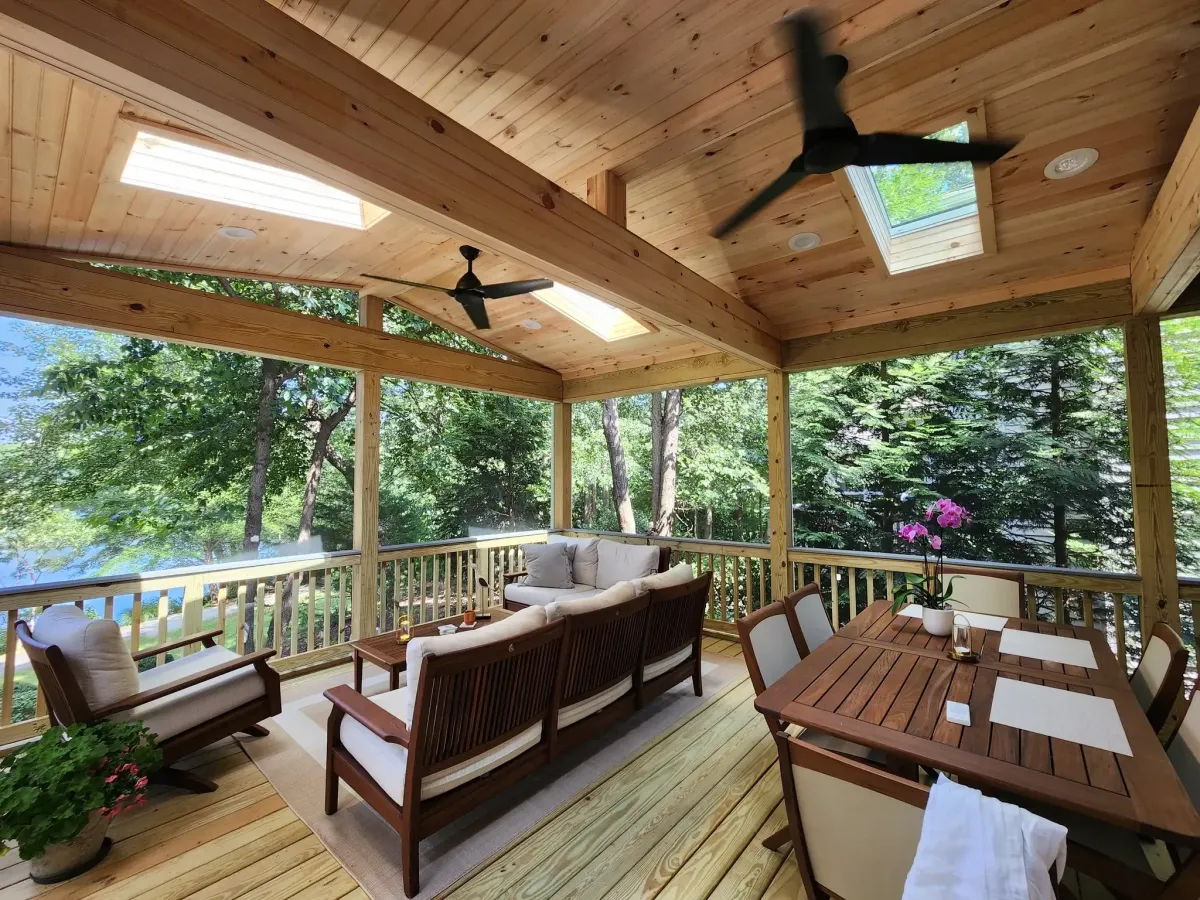
Looking for inspiration? Check out our remodels.
Kitchen Remodeling
Our kitchen remodels are nothing short of spectacular. We supply everything to get the heart of your home beating again, from custom cabinetry to countertops.
Bathroom Remodeling
Your bathroom should feel like a relaxing sanctuary, and we help you make it one with modern, sophisticated designs that bring your idea of self-care to a whole new level.
Basement Remodeling
Your basement has so much potential. A new games room for your kids, a quiet escape where you can enjoy your hobbies, or even a new bedroom. Whatever you have in mind, we make it come to life.
Structural Remodeling/Repair
If your home is showing signs of structural problems or you need to open a wall to expand your space, our team will complete a thorough assessment to engineer and then implement the correct solution.
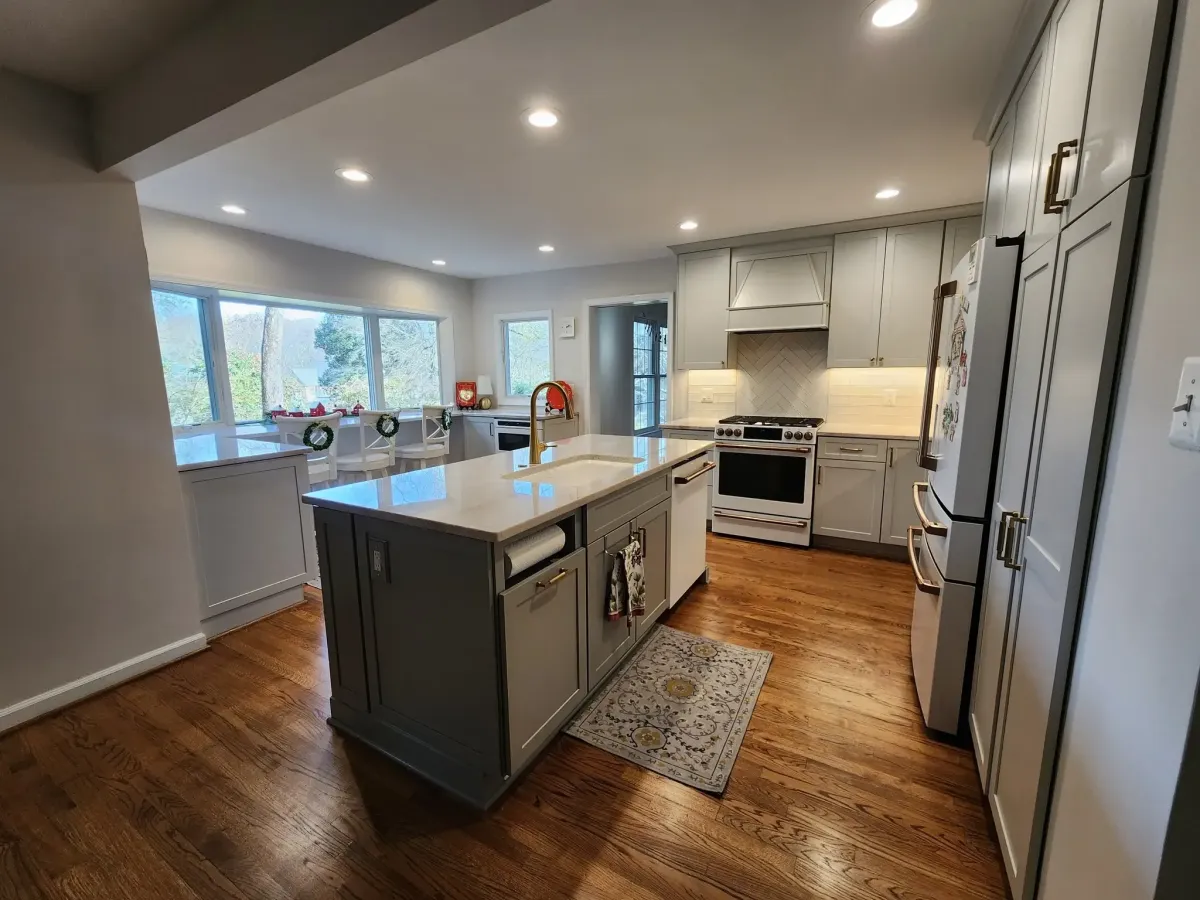
Do you need help visualizing how to rearrange your space and selecting finishes so you stop saying “Oy Vey” when you walk in the room?
At HandyMensch, we specialize in remodeling projects that transform the space you have, making it more functional, spacious, and most of all, beautiful. Our dedicated team helps you reinvent your home and breathe new life into your core rooms, from kitchen and bathroom remodels to basement makeovers. Never again will you say “Oy Vey” when you walk in the room.
If you want to change the layout of your home for more space, that’s no problem: it’s where we shine. Fully licensed and insured, our team will help you solve complex issues other contractor firms might avoid, like opening up load-bearing walls or moving major plumbing and ductwork to transform the look and feel of your space.
What people say about us
Northern Virginia Home Remodeling
We know that remodeling your home can be a lot to take in with so many moving parts to manage, but not with HandyMensch. We ensure the remodeling process is streamlined and managed, minimizing disruption for your family as much as possible.
Design-Build Ownership
One team managing your design, permits, trades, materials, and timeline from start to finish. No hand-offs, no gaps, no surprises.
20 Years in Northern Virginia
We've been remodeling homes in Fairfax County, Arlington, and surrounding communities since 2007. We know your house's construction, the permit requirements, and the complexity that comes with it.

Clear Communication
You'll always know what's happening, what decisions are needed, and what's coming next. Weekly updates, proactive communication, and a single point of contact throughout your project.
How it works

Consultation
It all starts with an understanding of how you want to use your space, and the desired aesthetics, before presenting you with a detailed proposal and scope of work.

Design
Through our trusted network of suppliers and showrooms, along with our Design Manager, we create the ideal layout and then help you select the finishes for your home.

Build
Our Production Team takes your proposal and starts the planning for making it all happen. We purchase materials, obtain permits and create a schedule. Then the exciting part: construction starts!
What does your dream home look like? Tell us.




Copyright 2007 - 2026. HandyMensch Home Remodeling. All Rights Reserved.
Website designed by Zen Monkey Marketing